



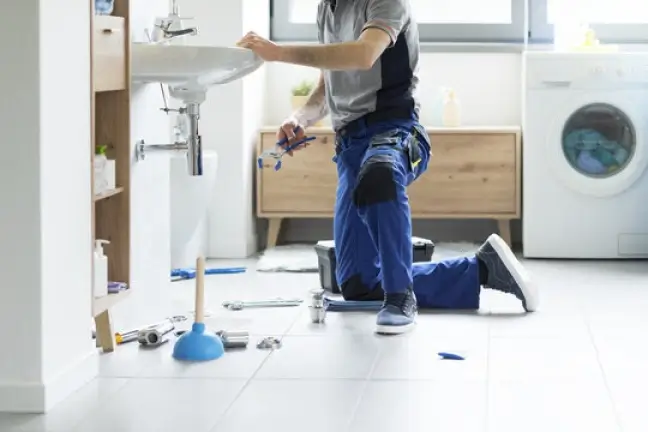
Water damage can happen unexpectedly, whether from heavy storms, plumbing leaks, or flooding. If left unaddressed, it can lead to mold growth, structural issues, and expensive repairs. Acting quickly can minimize the impact and protect your home from long-term damage.
At Viking Capital Group, we help homeowners recover from water-related disasters with professional solutions. Understanding the key steps to limit damage and restore your home is crucial.
Acting Fast to Prevent Further Damage
The first few hours after water damage occurs are critical. The longer moisture lingers, the more it seeps into walls, floors, and furniture, increasing the risk of mold and costly repairs.
- Shut off the water source if the damage is caused by a burst pipe or plumbing issue.
- Turn off electricity in affected areas to prevent electrical hazards.
- Move valuables and furniture to a dry area to prevent further damage.
- Use towels or mops to soak up excess water before it spreads.
- Call professionals if the damage is extensive or unsafe to handle alone.
Viking Capital Group provides water mitigation services to help homeowners take control of water damage before it worsens.
Identifying the Source of Water Intrusion
Before restoration begins, finding the source of water is essential. Failure to address the root cause can result in repeated damage.
- Roof leaks from storms or missing shingles allow water to enter.
- Plumbing failures such as broken pipes, clogged drains, or leaking fixtures.
- Foundation cracks that let groundwater seep into basements.
- Faulty gutters and downspouts that fail to redirect rainwater.
- Appliance malfunctions from dishwashers, water heaters, or washing machines.
At Viking Capital Group, our team thoroughly inspects properties to identify and resolve water sources before beginning water mitigation efforts.
Removing Standing Water Quickly
Standing water can lead to extensive structural damage and create an ideal environment for mold. Prompt removal is crucial to prevent long-term issues.
- Use a wet-dry vacuum or pump for large amounts of water.
- Improve air circulation by opening windows and using fans.
- Run dehumidifiers to pull moisture from the air.
- Remove soaked carpets and rugs that may trap hidden moisture.
- Check behind walls and under floors where water may have seeped in unnoticed.
Viking Capital Group ensures all excess moisture is eliminated as part of our water mitigation process.
Drying and Dehumidifying the Home
Even after visible water is removed, excess moisture can remain trapped in walls, flooring, and insulation. Proper drying techniques help prevent mold and structural damage.
- Use high-powered dehumidifiers to remove excess moisture from the air.
- Run air conditioning and fans to increase airflow.
- Check insulation and drywall for any remaining dampness.
- Avoid sealing up areas too soon to ensure no moisture is left behind.
Our specialists at Viking Capital Group provide professional drying solutions to complete the water mitigation process thoroughly.
Cleaning and Disinfecting Affected Areas
Water damage can introduce bacteria, mold spores, and contaminants into your home. Once the water is removed, proper cleaning is essential to prevent further issues.
- Scrub all hard surfaces with soap and water.
- Use disinfectants to kill bacteria and mold spores.
- Sanitize furniture and belongings exposed to water.
- Dispose of heavily contaminated materials that cannot be fully cleaned.
Viking Capital Group ensures homes are thoroughly sanitized as part of our restoration process.
Checking for Mold and Preventing Future Growth
Mold can begin developing in as little as 24 hours after water damage occurs. Even if no visible signs appear, mold could be growing in hidden areas.
- Inspect walls, ceilings, and floors for discoloration or musty odors.
- Apply mold-resistant treatments to affected areas.
- Keep humidity levels below 50% to discourage mold growth.
- Schedule a professional inspection for extensive water damage.
If mold is detected, Viking Capital Group offers remediation services to stop it from spreading.
Strengthening Your Home Against Future Water Damage
Preventative measures can save homeowners from dealing with recurring water damage. Taking proactive steps reduces risks and enhances home protection.
- Inspect your roof regularly for missing shingles or leaks.
- Clean gutters and downspouts to ensure proper drainage.
- Check plumbing systems for leaks or corrosion.
- Seal foundation cracks to prevent groundwater seepage.
- Install sump pumps and backflow valves in flood-prone areas.
Viking Capital Group provides expert advice and solutions to help homeowners safeguard their properties from future damage.
Conclusion
Water damage can happen suddenly, but knowing the right steps to take can minimize its impact. Acting fast, removing standing water, drying affected areas, and preventing mold growth are all crucial parts of protecting your home.
At Viking Capital Group, we specialize in water mitigation to help homeowners recover quickly and prevent further damage. Taking proactive measures today can save you from costly repairs down the road.
Frequently Asked Questions
What is water mitigation, and how is it different from restoration?
Mitigation focuses on stopping further damage by removing water and drying affected areas, while restoration involves repairing and rebuilding structures.
How quickly should water mitigation begin after a flood or leak?
It should start immediately—mold can develop within 24 hours, and prolonged moisture can weaken structural materials.
Can I handle water mitigation on my own?
Small leaks may be manageable, but extensive damage requires professionals to ensure complete drying and prevent mold growth.
How do I know if there is hidden moisture in my home?
Signs like a musty smell, wall discoloration, or increased humidity suggest moisture may be trapped and require inspection.
What steps can I take to prevent water damage?
Regular maintenance, fixing leaks promptly, and ensuring proper drainage help reduce the risk of water damage.