



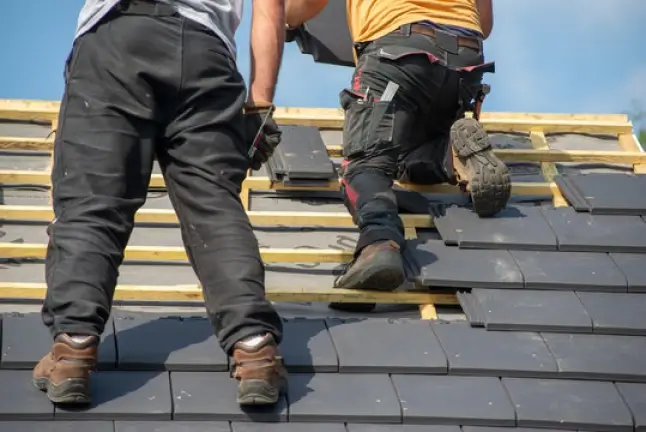
Storms in Texas can be unpredictable, bringing heavy rain, strong winds, and even hail that can cause serious damage to your home. When your roof is impacted, taking the right steps immediately can prevent further issues and costly repairs. Many homeowners feel overwhelmed when faced with storm damage, but knowing what to do can make all the difference.
At Viking Capital Group, we have helped countless homeowners navigate post-storm roof repairs, ensuring their homes are safe and secure. This emergency roof repair guide will walk you through the crucial steps to take after a storm hits.
Checking for Safety Before Inspecting Damage
Before you assess any roof damage, safety should be your top priority. Storms can weaken structures, loosen power lines, and create hazardous conditions that put you at risk.
- Wait until the storm has fully passed before stepping outside.
- Look for downed power lines and avoid the area if you see any.
- Watch for debris and standing water, as they can hide dangers like sharp objects or unstable ground.
- Check for structural damage to your home, especially around the roof, walls, and chimney.
If you suspect major structural damage, call emergency services before attempting to inspect your roof. The professionals at Viking Capital Group can assess the situation and recommend the best course of action for storm damage repair.
Inspecting Your Roof for Storm Damage
Once it’s safe to go outside, carefully check your roof for visible signs of damage. Even small issues can quickly worsen if left unaddressed. Common storm-related roof damage includes:
- Missing or loose shingles caused by high winds.
- Dented or cracked roofing materials from hail impact.
- Leaks or water stains on your ceiling or walls.
- Debris accumulation that can block drainage and cause further damage.
- Damaged flashing around chimneys, vents, and skylights.
If you notice any of these issues, taking quick action is essential. Viking Capital Group specializes in storm damage repair and can provide professional assessments.
Taking Immediate Temporary Measures
While waiting for professional repairs, you can take temporary steps to prevent further damage:
- Cover exposed areas with a tarp to block water from seeping in.
- Clear debris from gutters and drains to prevent water buildup.
- Place buckets under leaks inside your home to minimize interior damage.
- Move furniture and valuables away from affected areas to prevent additional losses.
These temporary fixes won’t solve the problem permanently, but they can buy you time until Viking Capital Group can provide expert solutions.
Contacting Your Insurance Company
If your roof has sustained significant damage, filing an insurance claim is the next step. Navigating insurance claims can be complicated, but a structured approach can make the process smoother.
- Document all damage with photos and videos, including both exterior and interior impact.
- Make a detailed list of damaged items, including approximate costs.
- Contact your insurance provider as soon as possible to report the damage.
- Avoid signing agreements with repair companies before speaking to your insurer.
- Work with a trusted contractor like Viking Capital Group for accurate repair estimates.
Many insurance providers require prompt reporting, so don’t delay in reaching out. The team at Viking Capital Group can assist with the claims process and ensure your storm damage repair is handled efficiently.
Hiring a Professional for Roof Repairs
While minor roof damage may seem like something you can handle on your own, storm-related issues often require professional expertise. Improper repairs can lead to more severe problems down the line, including water damage, mold growth, and structural instability.
Here’s why hiring a professional is the best choice:
- Proper assessment – Trained roofers can identify hidden issues that aren’t immediately visible.
- Safe repairs – Climbing on a damaged roof is dangerous, and professionals have the right equipment to do it safely.
- Quality materials – Contractors use durable, storm-resistant materials that last longer.
- Warranty protection – Many professional repairs come with warranties, offering added peace of mind.
At Viking Capital Group, we provide expert storm damage repair to ensure your home remains safe and secure.
Preventing Future Roof Damage from Storms
While it’s impossible to control the weather, there are steps you can take to minimize future storm damage to your roof. Texas homeowners can reduce risks by:
- Scheduling regular roof inspections to catch potential issues early.
- Keeping trees trimmed to prevent branches from falling on your home.
- Cleaning gutters and downspouts to allow proper drainage.
- Upgrading to impact-resistant roofing materials for better protection.
- Reinforcing roof flashing and sealing potential leak points before storm season.
Taking these preventative steps can save you time, money, and stress in the long run. Viking Capital Group offers professional roof inspections and repair services to help homeowners prepare for extreme weather.
Conclusion
Storms can cause serious roof damage, but knowing what to do afterward can protect your home from further harm. By following this emergency roof repair guide, homeowners can act quickly to assess damage, secure temporary protection, and arrange for professional repairs.
At Viking Capital Group, we specialize in helping homeowners restore their roofs after severe weather. If your home has suffered storm damage, our storm damage repair services ensure reliable, high-quality solutions that stand the test of time.
Frequently Asked Questions
What should I do first if my roof is damaged after a storm?
Your safety comes first. Wait until the storm has passed, then inspect your home for visible damage while avoiding hazards like downed power lines.
How can I temporarily stop a roof leak after storm damage?
You can use a tarp to cover exposed areas and place buckets inside to catch dripping water. However, professional repairs are needed for a permanent solution.
Does homeowners insurance cover roof damage from storms?
Most policies cover storm-related damage, but coverage details vary. Contact your insurance provider to confirm what’s included in your plan.
When should I call a professional for storm damage repairs?
If you notice missing shingles, leaks, or structural damage, call a professional immediately. Delaying repairs can lead to more serious and costly issues.
How can I prevent future storm damage to my roof?
Regular maintenance, proper gutter cleaning, and impact-resistant materials can reduce the risk of storm-related roof damage.