



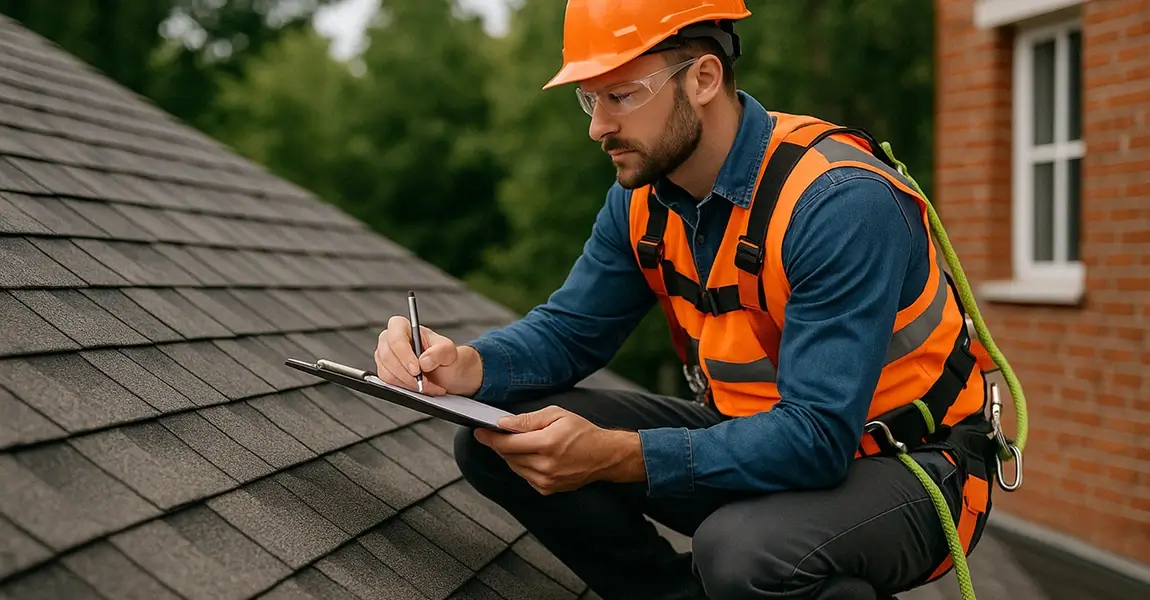
Preparing for roof inspections is a critical step for every homeowner or property manager who wants to keep their investment secure. Roofs protect the entire structure of a home, so ensuring they are in top condition should never be overlooked. Whether you’re bracing for an upcoming storm season, preparing to sell your home, or just due for an annual check, getting ready properly makes the inspection process smoother and more effective.
Why Preparing for Roof Inspections Is So Important
When done right, preparing for roof inspections helps spot minor problems before they become major headaches. Roof inspections identify wear and tear, structural weaknesses, and moisture issues that could lead to serious damage. Taking the time to prepare ensures that nothing is overlooked and gives the inspector a full view of your roof’s current condition.
Inspections done without preparation can miss vital signs of trouble—leaks hidden beneath insulation, cracks under shingles, or clogged drainage systems. That’s why being ready is not just helpful, it’s essential.
Regular Roof Inspections Save Time and Money
Homeowners who schedule regular roof inspections and prepare in advance often avoid expensive emergency repairs. By preparing for roof inspections, you allow professionals to catch issues like:
- Loose or missing shingles
- Rusted flashing
- Sagging or weak spots in the roof decking
- Poor ventilation and insulation in the attic
- Early signs of water intrusion
All of these problems can be addressed before they escalate—saving thousands in long-term repair costs.
Scheduling the Roof Inspection the Smart Way
Timing is everything. Preparing for roof inspections starts with choosing the right moment. Consider seasonal shifts:
- Spring and Fall: Great for routine checks.
- Post-Storm: After heavy rain, hail, or wind events.
- Before Selling: Buyers will appreciate a recent, professional roof report.
When scheduling, choose a reputable roofing company with experience in your local climate. A good contractor offers flexible appointments and explains the full scope of the inspection.
Smart Steps for Preparing for Roof Inspections
The process of preparing for roof inspections includes a few proactive steps to ensure your property is ready for an effective evaluation.
Clear the Roof and Perimeter
Remove items that could obstruct access:
- Patio furniture
- Vehicles in driveways
- Debris or fallen branches near gutters
This allows the inspector to move freely and safely around the roof’s surface.
Trim Overhanging Branches
Low-hanging branches not only block visibility—they could damage your shingles. Trimming them before the inspection improves safety and visibility.
Allow Attic Access
Inspectors often check the attic for moisture, ventilation, and insulation quality. Ensure access points are not blocked and lighting is available.
Spot the Warning Signs Before the Inspector Arrives
If you’re serious about preparing for roof inspections, do a bit of detective work beforehand. Look for signs inside your home:
- Brown water stains on ceilings or walls
- Mold or mildew smell in the attic
- Uneven heating or drafty rooms
These are signs of leaks or ventilation issues and should be noted for discussion with your inspector.
Prepare a List of Past Issues or Concerns
Think back on your roof’s history:
- Have there been leaks in the past?
- Were shingles replaced recently?
- Did a tree limb fall on the roof during a storm?
Create a list of known issues or previous repairs. Providing this to your inspector ensures they’ll pay close attention to these areas.
What Happens During a Roof Inspection?
Once your preparation is complete, the inspection process begins. Here’s what to expect:
Exterior Review
The inspector checks for:
- Missing or damaged shingles
- Loose flashing around vents and chimneys
- Drainage issues with gutters
- Sagging or soft areas
Interior Check
Inside your attic, they’ll look for:
- Proper insulation
- Evidence of water entry
- Ventilation flow
- Mold or mildew
Storm Damage Review
If you’ve had recent severe weather, your inspector will assess hail dents, cracked tiles, and moisture penetration, all of which compromise roof integrity.
Understanding Your Roof Inspection Report
After the inspection, the professional provides a report detailing:
- Areas of concern
- Recommended repairs
- Photos of damage
- Estimated lifespan of the roof
This report is essential, especially if you need to file an insurance claim or plan for repairs.
After the Roof Inspection: Next Steps
Your preparation doesn’t end when the inspector leaves. Based on the findings:
- No issues found? Great! Schedule your next check in 12 months.
- Minor damage? Book repairs ASAP before things worsen.
- Major concerns? Start planning for a full replacement with your contractor.
Preparing for roof inspections ensures you’re not caught off guard, no matter what the report reveals.
Choosing the Right Roofing Professional
Hiring a qualified inspector is key to a successful evaluation. Look for:
- Proper licensing and insurance
- Solid local references
- Transparent pricing
- Detailed reporting
Working with trusted professionals like Viking Capital Group ensures your preparation pays off and your roof stays in good condition.
Final Thoughts on Preparing for Roof Inspections
Whether you’re maintaining a new home or preserving an older one, preparing for roof inspections helps you stay ahead of potential roofing disasters. It gives inspectors the access they need, provides insight into problem areas, and ensures any issues are addressed early.
Your home deserves protection from the top down—so don’t overlook the value of proper preparation. Roof inspections aren’t just maintenance—they’re prevention, protection, and peace of mind. Contact Viking Capital Group for professional roof inspection services.
Frequently Asked Questions
How often should I schedule a roof inspection?
At least once per year, and especially after major storms or before selling your home.
What are early signs that my roof needs an inspection?
Watch for missing shingles, leaks, ceiling stains, or mold in the attic.
Do inspectors need attic access?
Yes, they check insulation, ventilation, and hidden leaks from the inside.
How long does a typical roof inspection take?
Usually between 30 minutes and 2 hours, depending on the property size.
Will a roof inspection help with insurance claims?
Absolutely. A report from a professional is often required for storm-related claims.
What if my roof fails inspection?
You’ll receive repair or replacement recommendations and guidance on next steps.