



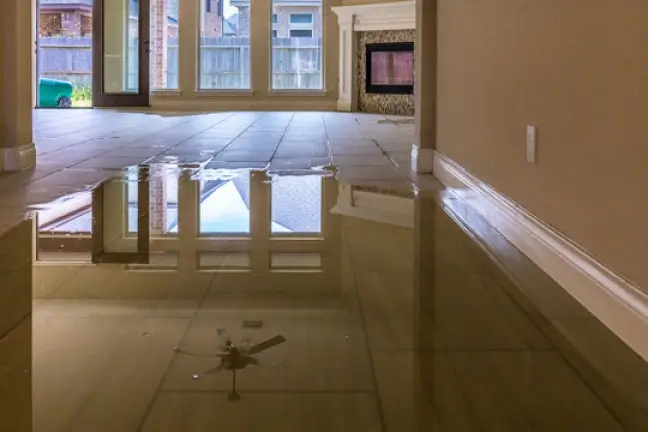
A flood can leave behind more than just water damage—it creates the perfect conditions for mold growth. In Texas, where humidity levels can be high, mold can spread even faster if water-damaged areas are not properly dried and treated. Left unchecked, mold can lead to serious health problems and costly structural damage.
At Viking Capital Group, we’ve helped many homeowners recover after floods and prevent long-term mold issues. Taking action quickly is the best way to protect both your home and your family’s health.
Removing Standing Water as Quickly as Possible
The longer floodwater remains in your home, the more damage it causes. Water seeps into walls, floors, and furniture, creating a breeding ground for mold spores. If not handled quickly, mold can begin growing in as little as 24 to 48 hours.
- Use pumps or wet-dry vacuums – A sump pump or wet-dry vacuum can help remove large amounts of water. If flooding is severe, professional water extraction services may be necessary.
- Increase ventilation – Open doors and windows when weather permits, or use dehumidifiers and fans to speed up drying.
- Check for hidden water pockets – Water can pool behind walls, inside cabinets, and under flooring. Moisture detection tools can identify areas that may not be visible.
- Dispose of contaminated water properly – If the flood involved sewage backup or contaminated water, special precautions must be taken for safe removal.
At Viking Capital Group, our flood repair services include professional water extraction to ensure your home is thoroughly dried.
Drying Out the Home Thoroughly
Even when visible water is gone, moisture can remain trapped in walls, floors, and furniture. Proper drying is essential to prevent mold from spreading.
- Use high-powered fans and dehumidifiers – These help remove excess moisture from the air and speed up evaporation.
- Run the air conditioning – A/C systems help regulate humidity levels and assist in drying out rooms.
- Lift carpets and remove wet padding – Carpet padding retains moisture and is difficult to dry completely.
- Use moisture-absorbing materials – Items like baking soda, silica gel, and activated charcoal can help absorb excess moisture in enclosed spaces.
A professional team like Viking Capital Group ensures that every part of your home is properly dried as part of our flood repair services.
Removing Water-Damaged Materials
Some materials absorb water beyond repair. If not removed, they can become a breeding ground for mold.
- Wet drywall and insulation – These materials act like sponges, holding water deep inside where mold can grow undetected.
- Carpets and padding – Even if the surface dries, mold can develop underneath.
- Warped or swollen wooden flooring – If wood absorbs too much water, it may not return to its original shape.
- Furniture and upholstery – Sofas, mattresses, and fabric-covered furniture may need to be discarded if mold has begun to form.
At Viking Capital Group, we help homeowners assess what can be salvaged and what must be removed during flood repair projects.
Cleaning and Disinfecting All Surfaces
After a flood, drying alone isn’t enough. Mold spores can linger on surfaces, waiting for moisture to return. A thorough cleaning helps prevent future issues.
- Scrub hard surfaces with detergent and water – This removes dirt, bacteria, and mold spores.
- Use a bleach solution for non-porous materials – A mix of one cup of bleach per gallon of water can kill mold on tile, countertops, and other hard surfaces.
- Sanitize floors, walls, and furniture – Antifungal and antibacterial cleaners help prevent mold and mildew.
- Dispose of contaminated items safely – If an item cannot be fully dried and cleaned, replacing it is the safest option.
Viking Capital Group ensures homes are thoroughly cleaned and restored through our flood repair services.
Controlling Humidity and Improving Ventilation
Even after visible water is gone, excess humidity can still encourage mold growth. Keeping indoor moisture levels low is key to long-term prevention.
- Run dehumidifiers in damp areas – Basements, crawl spaces, and bathrooms often retain excess moisture.
- Improve air circulation – Open windows when possible, and use ceiling fans to keep air moving.
- Check for plumbing leaks – Hidden leaks inside walls or under sinks can lead to moisture buildup.
- Monitor humidity levels – Keeping indoor humidity below 50% reduces the risk of mold.
Inspecting for Hidden Mold Growth
Mold often thrives in areas that aren’t immediately visible. Even after thorough drying and cleaning, hidden mold can continue spreading behind walls and under floors.
- Behind drywall and baseboards – Moisture can seep inside walls, creating ideal conditions for mold growth.
- Under flooring and carpets – Mold can grow beneath materials even if the surface appears dry.
- Inside HVAC systems and air ducts – If moisture enters your air system, mold spores can circulate throughout your home.
- In attics and crawl spaces – Poor ventilation in these areas can trap humidity, leading to mold issues.
Conclusion
Flood damage doesn’t end when the water is removed. Without proper drying, cleaning, and moisture control, mold can quickly take hold and cause long-term problems. Acting fast is the key to preventing mold after flooding and keeping your home safe.
At Viking Capital Group, we provide expert flood repair services to help homeowners restore their homes quickly and effectively. Taking the right steps now can prevent mold growth and protect your home from future damage.
Frequently Asked Questions
How soon does mold start growing after a flood?
Mold can begin developing within 24-48 hours if moisture isn’t removed. Fast drying and proper ventilation are essential.
What is the best way to dry a home after a flood?
Using high-powered fans, dehumidifiers, and air conditioning speeds up the drying process. Removing wet materials also helps.
Do I need to remove drywall after a flood?
If drywall has absorbed water, it should be replaced to prevent mold from growing inside the walls.
Can I clean mold myself after a flood?
Small mold patches on hard surfaces can be cleaned with a bleach solution, but extensive mold growth requires professional removal.
How can I prevent future mold growth in my home?
Keep humidity levels below 50%, fix leaks immediately, and schedule professional flood restoration when needed.