



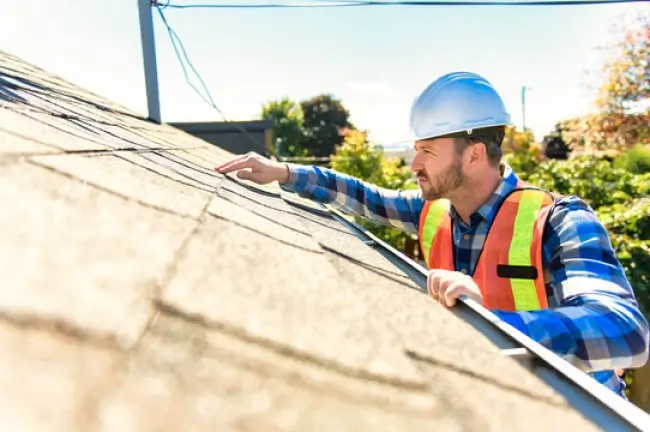
Your roof is one of the most important parts of your home, protecting you from harsh weather, heavy rain, and intense Texas heat. Yet, many homeowners don’t think about it until a problem arises. Routine checkups can help catch small issues before they turn into expensive repairs.
At Viking Capital Group, we’ve seen how regular assessments prevent major problems and save homeowners thousands of dollars in unexpected repairs. Understanding the recommended roof inspection frequency can help you maintain the safety and durability of your home.
Scheduling Inspections Based on Roof Age
The age of your roof plays a major role in how often it should be checked. Older structures need more frequent evaluations to catch signs of wear before they become serious issues.
- New roofs (0-5 years old) – A checkup every two years is generally sufficient unless severe weather occurs.
- Mid-age roofs (5-15 years old) – Annual inspections help identify potential problems before they cause leaks or damage.
- Older roofs (15+ years old) – Twice-a-year inspections are highly recommended to extend the lifespan and avoid costly repairs.
No matter the age of your roof, Viking Capital Group provides professional roof inspections to help homeowners stay ahead of potential problems.
Checking Your Roof After Severe Weather
Texas is no stranger to extreme weather, from heavy storms to strong winds and hail. Storms can cause damage that isn’t always visible from the ground, so it’s important to have your roof checked after any severe weather event.
- Hailstorms – Hail can crack shingles, dent metal roofing, and weaken protective layers.
- Strong winds – Wind can lift or tear off shingles, exposing your home to leaks.
- Heavy rain – Prolonged rainfall can lead to hidden moisture buildup under shingles.
- Hurricanes or tornadoes – High winds and flying debris can cause serious structural damage.
After a storm, Viking Capital Group offers thorough roof inspections to assess any damage and recommend necessary repairs.
Inspecting Your Roof Before and After Winter
While Texas doesn’t experience harsh winters like northern states, cold temperatures and occasional ice storms can still impact your roof. Preparing your home for seasonal changes helps prevent damage.
- Pre-winter inspections ensure your roof is ready for cooler temperatures and heavy rain.
- Post-winter evaluations check for damage caused by ice, debris, and temperature fluctuations.
Regular seasonal maintenance from Viking Capital Group helps Texas homeowners maintain strong, leak-free roofing year-round.
Looking for Signs That Indicate You Need an Inspection
Sometimes, your roof may show warning signs that it needs immediate attention. Even if your last checkup was recent, certain issues should not be ignored.
- Water stains on ceilings or walls – These can indicate hidden leaks.
- Missing, cracked, or curling shingles – Shingles protect your home from water and wind damage.
- Sagging roof sections – This could mean structural damage that needs urgent repair.
- Moss or algae growth – Excess moisture can lead to mold and roof deterioration.
- Higher energy bills – A damaged roof may be allowing hot or cold air to escape, increasing energy costs.
Viking Capital Group provides expert roof inspections to identify these problems before they worsen.
Hiring a Professional for a Thorough Roof Assessment
While homeowners can do a basic visual check, a professional contractor has the tools and expertise to spot problems that aren’t always obvious. A proper evaluation includes:
- Checking for hidden leaks that may not be visible inside the home.
- Inspecting shingles, flashing, and sealants for wear and damage.
- Examining the attic for insulation and ventilation issues that could affect performance.
- Looking for structural weaknesses that could lead to costly repairs.
At Viking Capital Group, we provide comprehensive roof inspections to ensure your home remains protected.
Following a Regular Roof Maintenance Schedule
Keeping up with regular maintenance helps extend the lifespan of your roof and prevent unexpected issues. Homeowners can follow a basic routine between professional checkups:
- Clean gutters and downspouts to prevent water buildup.
- Remove debris like leaves and branches that can trap moisture.
- Trim overhanging tree branches to reduce the risk of falling limbs.
- Check your attic for signs of leaks after heavy rain.
By staying proactive, homeowners can avoid expensive repairs and extend the life of their roofing system.
Conclusion
Regular inspections are essential to catching minor issues before they become major problems. Understanding the recommended roof inspection frequency ensures your home remains protected from the elements.
Whether your roof is brand new or decades old, scheduling a professional evaluation at least once a year can save you from unexpected damage and costly repairs. Viking Capital Group offers expert assessments to help Texas homeowners keep their roofs in top shape.
Frequently Asked Questions
How often should I get my roof inspected?
Most experts recommend a professional evaluation at least once a year, with additional checks after severe weather.
What is included in a professional roof inspection?
A thorough assessment checks for leaks, damaged shingles, structural issues, flashing problems, and ventilation concerns.
Can I inspect my own roof instead of hiring a professional?
While you can do a basic visual check, a professional can spot hidden damage that an untrained eye might miss.
What are signs that my roof needs an inspection immediately?
Leaks, missing shingles, sagging sections, or higher energy bills indicate you should schedule an evaluation right away.
Do inspections help prevent costly repairs?
Yes, routine checkups catch minor issues early, preventing them from turning into expensive repairs or full replacements.