



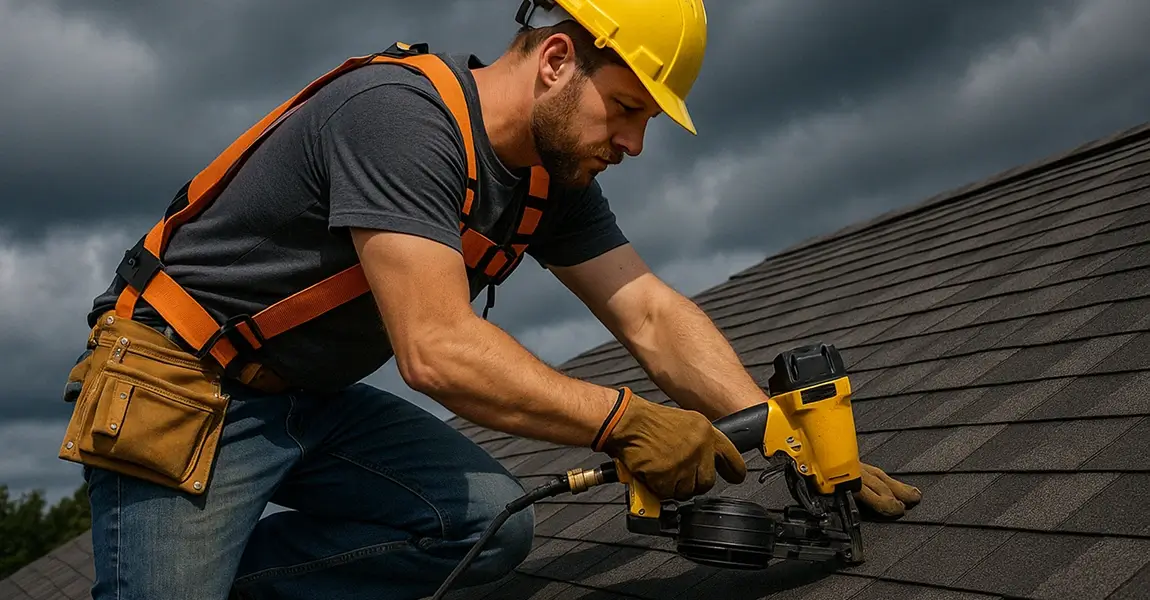
Severe storms are a reality for many homeowners, bringing heavy rain, strong winds, hail, and even tornadoes. Your roof is the first line of defense against these elements, but is it strong enough to withstand the next big storm? A well-prepared roof can prevent costly damage, water intrusion, and structural issues. This roof storm resistance guide from Viking Capital Group will help homeowners assess their roof’s durability, recognize potential weak points, and take proactive measures to ensure storm readiness.
Understanding the Roof Storm Resistance Guide
Storms can cause extensive damage to roofs, leading to leaks, missing shingles, and even structural failure. The most common types of storm-related roof damage include:
- High Winds: Strong gusts can lift and tear shingles, exposing the underlayment and decking.
- Hail Damage: Hailstones can crack or puncture roofing materials, reducing their effectiveness.
- Heavy Rainfall: Prolonged exposure to rain can weaken roofing structures and lead to leaks.
- Flying Debris: Tree branches and airborne objects can strike the roof, causing punctures and cracks.
Recognizing these threats in this roof storm resistance guide allows homeowners to take preventive action before the next major storm arrives.
Assessing Your Roof’s Storm Resistance
Regular inspections help determine whether a roof is prepared to handle severe weather. Homeowners should check for the following:
- Loose or Missing Shingles: Any gaps in the roofing material can allow water to seep in.
- Damaged Flashing: Flashing around chimneys, vents, and skylights should be secure and free from rust or cracks.
- Clogged or Damaged Gutters: Proper drainage prevents water from backing up under the roofing materials.
- Soft Spots or Sagging Areas: These could indicate underlying structural issues that may worsen during a storm.
This roof storm resistance guide strongly recommends scheduling a professional inspection to identify and address vulnerabilities before they become major problems.
Choosing the Right Storm-Resistant Roofing Materials
Some roofing materials offer better storm protection than others. Homeowners in storm-prone areas should consider:
- Impact-Resistant Shingles: Designed to withstand hail and wind-driven debris.
- Metal Roofing: Highly durable and resistant to high winds and impact damage.
- Clay or Concrete Tiles: Heavy and sturdy, but require strong structural support.
- Synthetic Roofing Materials: Designed to mimic wood or slate while providing superior weather resistance.
As outlined in this roof storm resistance guide, investing in high-quality materials can significantly improve your roof’s ability to withstand storms.
Reinforcing Your Roof for Maximum Protection
Upgrading or reinforcing certain elements of the roof can improve its storm resistance. Key steps include:
- Installing Hurricane Straps: These metal connectors help secure the roof to the home’s structure.
- Sealing Roof Decking: Applying a waterproof underlayment beneath shingles provides an extra layer of protection.
- Upgrading to Impact-Resistant Windows and Skylights: Preventing breakage reduces the risk of internal water damage.
- Trimming Overhanging Trees: Reducing the risk of falling branches can prevent roof punctures.
This roof storm resistance guide recommends these enhancements to strengthen structural integrity and reduce the likelihood of severe damage.
What to Do After a Storm Hits
Even with the best preparations, storms can still cause unexpected storm damage. After a severe weather event, homeowners should:
- Inspect the Roof from the Ground: Look for missing shingles, sagging areas, or visible debris.
- Check Attics and Ceilings: Water stains or leaks may indicate hidden damage.
- Clear Gutters and Downspouts: Removing debris ensures proper drainage.
- Schedule a Professional Inspection: Experts can assess the extent of damage and recommend necessary repairs.
Following the steps in this roof storm resistance guide can help prevent minor damage from escalating into costly repairs.
Partnering with a Storm Damage Repair Expert
Working with an experienced roofing contractor ensures that repairs are done correctly and efficiently. A professional company like Viking Capital Group’s Storm Damage Repair services can:
- Conduct a thorough post-storm inspection
- Identify and repair damaged roofing components
- Assist with insurance claims for storm-related damage
- Provide long-term solutions to strengthen the roof
Relying on experts featured in this roof storm resistance guide ensures your roof is rebuilt with durability in mind.
Conclusion
Taking proactive steps to strengthen your roof before a storm hits can make all the difference in protecting your home. Regular inspections, durable roofing materials, and reinforcement measures can significantly reduce the risk of costly damage. If a storm does cause damage, quick action and professional repairs will ensure your roof remains strong for years to come. By following this roof storm resistance guide, homeowners can stay ahead of severe weather and safeguard their property. Contact Viking Capital Group for expert services.
Frequently Asked Questions
How can I tell if my roof is storm-damaged?
Look for missing or curled shingles, dents from hail, and water stains inside the home. A professional inspection can identify less visible damage.
What roofing material is best for storm resistance?
Metal roofing and impact-resistant shingles offer the best protection against wind, hail, and debris according to this roof storm resistance guide.
Should I repair or replace my roof after storm damage?
Minor damage may require simple repairs, but extensive structural issues may necessitate a full replacement. A professional assessment can determine the best course of action.
How often should I inspect my roof for storm damage?
Roof inspections should be done at least twice a year and after any major storm. Refer to this roof storm resistance guide for a detailed checklist.
Will my homeowner’s insurance cover storm damage repairs?
Most policies cover storm damage, but coverage details vary. Working with a professional roofing contractor can help navigate the insurance claim process effectively.