



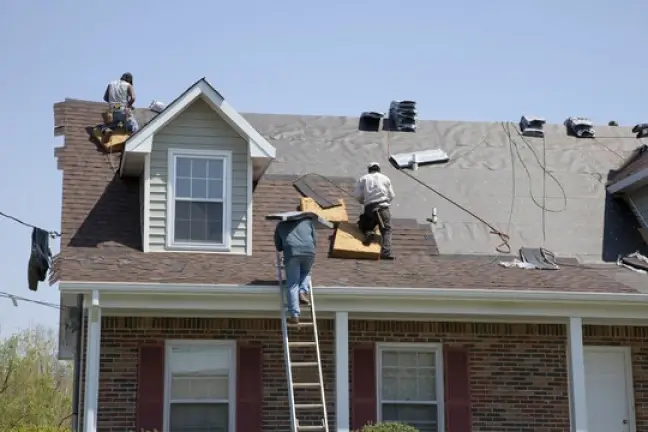
Your roof is your home’s first line of defense against Texas storms, heavy winds, and hail. When damage occurs, many homeowners turn to their insurance policies for financial relief. However, roofing insurance policy coverage is often more complicated than people expect.
At Viking Capital Group, we help homeowners understand what their policies cover and guide them through the claims process. Knowing what to expect can save time, money, and stress when dealing with roof damage.
Understanding What Most Policies Cover
Home insurance generally includes coverage for damage caused by sudden and unavoidable events. However, specific coverage details can vary based on policy type and the cause of damage.
Most policies cover:
- Storm damage – Wind, hail, and lightning are usually included.
- Falling debris – Damage from tree limbs or other objects is often covered.
- Fire and smoke damage – Roof repairs resulting from fires are typically included.
- Vandalism or theft – If your roof is damaged due to criminal activity, your provider may pay for repairs.
It’s important to review your policy carefully and understand its limitations. Viking Capital Group offers insurance claim assistance to help homeowners navigate the claims process.
Knowing What Insurance Might Not Cover
While coverage can be extensive, certain exclusions may apply. Understanding these limitations helps homeowners avoid surprises when filing a claim.
Common exclusions include:
- Normal wear and tear – Aging roofs and gradual deterioration are not covered.
- Improper maintenance – If damage results from neglect, the claim may be denied.
- Pre-existing issues – Any damage before the policy began is typically excluded.
- Manufacturer defects – Roofing failures due to factory defects usually fall outside insurance coverage.
Keeping up with regular maintenance can increase the chances of a successful claim. Viking Capital Group provides professional insurance claim assistance to ensure homeowners receive the coverage they deserve.
Checking for Storm-Related Coverage
Texas homeowners frequently deal with extreme weather, making storm-related coverage essential. High winds, hail, and hurricanes can cause significant roof damage, but policies may have specific conditions.
Key things to check in your policy:
- Windstorm coverage – High winds can lift shingles and cause structural issues.
- Hail damage protection – Some policies require a special deductible for hail-related repairs.
- Hurricane clauses – Homes in storm-prone areas may have separate deductibles for severe weather.
After a storm, documenting damage quickly and contacting a roofing professional is crucial. Viking Capital Group specializes in insurance claim support to help homeowners recover from storm-related damage.
Filing a Claim for Roof Damage
When roof damage occurs, filing a claim promptly increases the chances of approval. The process can be overwhelming, but following these steps helps ensure a smoother experience.
- Take clear photos and videos of all visible damage.
- Review your policy to confirm what’s covered.
- Notify your insurance provider to start the claims process.
- Schedule a professional inspection for an accurate assessment.
- Obtain repair estimates from a reputable contractor like Viking Capital Group.
Viking Capital Group offers insurance claim assistance to help homeowners avoid common mistakes and maximize their benefits.
Choosing a Reputable Roofing Contractor
Working with a trusted contractor is just as important as filing the claim itself. Some insurance companies may suggest contractors, but homeowners should always select a professional they trust.
What to look for in a contractor:
- Licensed and insured professionals with experience in insurance-related repairs.
- Strong customer reviews and a proven track record of quality work.
- Detailed estimates outlining costs and materials.
- Transparent communication throughout the repair process.
Viking Capital Group is a trusted name in Texas, helping homeowners navigate repairs with confidence.
Preventing Roof Damage to Avoid Claim Hassles
While insurance can help after a disaster, preventing roof damage in the first place is always the best strategy. Routine maintenance extends the life of your roof and reduces the likelihood of needing a claim.
Helpful preventative measures include:
- Scheduling regular roof inspections to catch minor issues early.
- Keeping gutters clean to prevent water buildup and leaks.
- Trimming trees to minimize the risk of falling branches.
- Checking for loose or missing shingles after storms.
With proactive maintenance and inspections from Viking Capital Group, homeowners can better protect their homes and minimize the chances of costly repairs.
Conclusion
Understanding roofing insurance policy coverage helps homeowners make informed decisions when damage occurs. Policies typically cover sudden events like storms and fire damage, but exclusions such as neglect or pre-existing issues may apply.
By maintaining your roof and working with experienced professionals, you can maximize your insurance benefits. Viking Capital Group provides expert insurance claim assistance to help Texas homeowners secure the coverage they deserve and restore their roofs quickly.
Frequently Asked Questions
Does homeowners insurance cover all types of roof damage?
No, most policies cover sudden and unexpected damage, such as storms and fires, but exclude normal wear and tear or neglect.
How do I know if my insurance covers storm damage?
Check your policy for wind, hail, and hurricane coverage. Some policies require a separate deductible for storm-related claims.
What should I do if my roof is damaged by a storm?
Take photos, document the damage, contact your insurance company, and schedule an inspection with a trusted roofing contractor.
Can I choose my own roofing contractor for repairs?
Yes, homeowners have the right to hire a contractor of their choice. Insurance companies may suggest contractors, but you should always work with a reputable professional.
How often should I get my roof inspected to maintain insurance coverage?
At least once a year, plus additional inspections after major storms, to catch issues early and keep your roof in top condition.